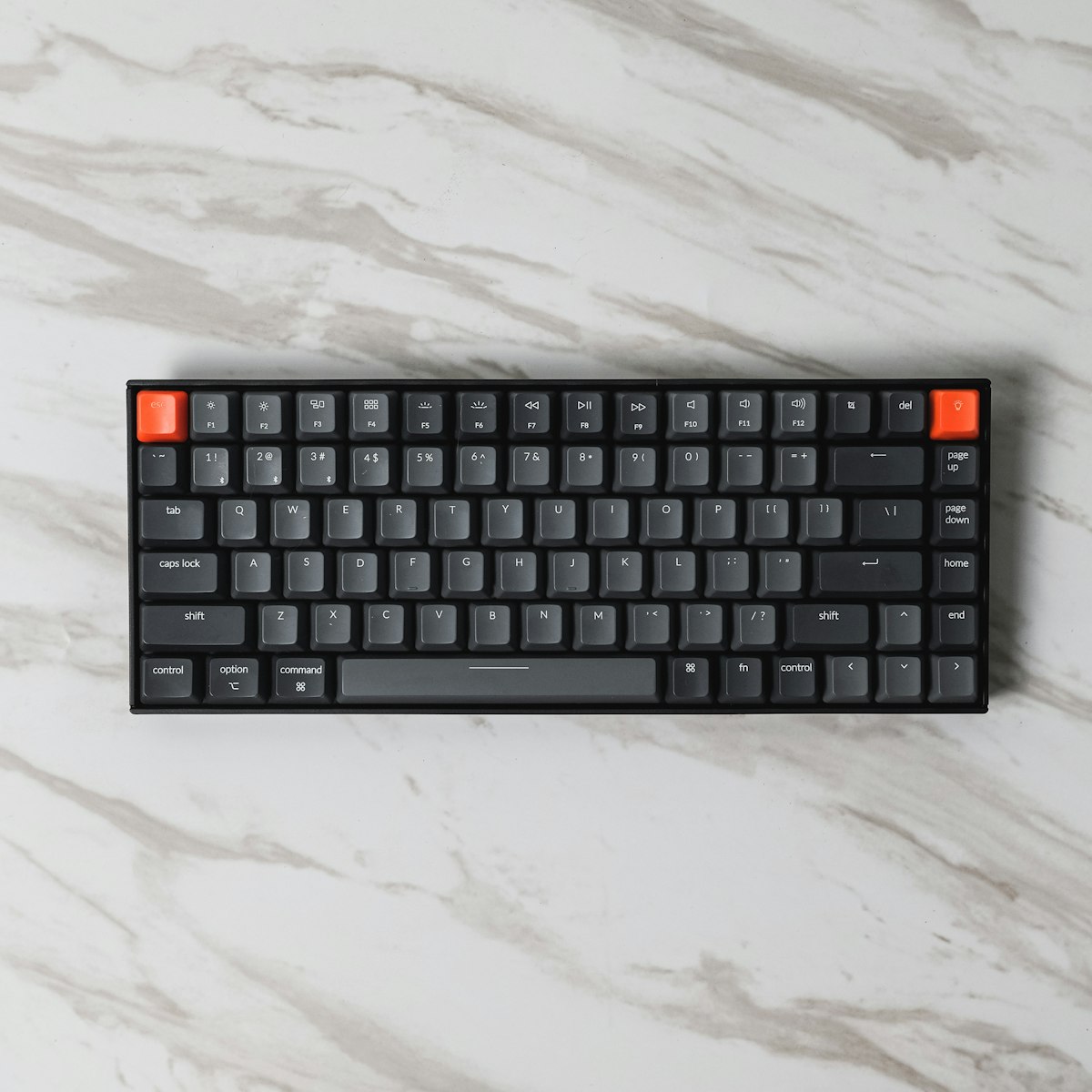
A mechanical keyboard is one of the best upgrades you can make to your desk setup. Unlike rubber-dome boards, mechanical switches give you tactile feedback, faster actuation, and a typing experience that simply feels more intentional. But the market is crowded, and not every board is worth the price tag. We spent two weeks typing, gaming, and working on nine popular models to find the standouts.
What We Looked For
Our testing focused on four areas that matter to most buyers: switch feel, build quality, keycap durability, and noise level. We also evaluated wireless reliability, battery life for Bluetooth models, and whether the stock software actually improves the experience or just gets in the way.
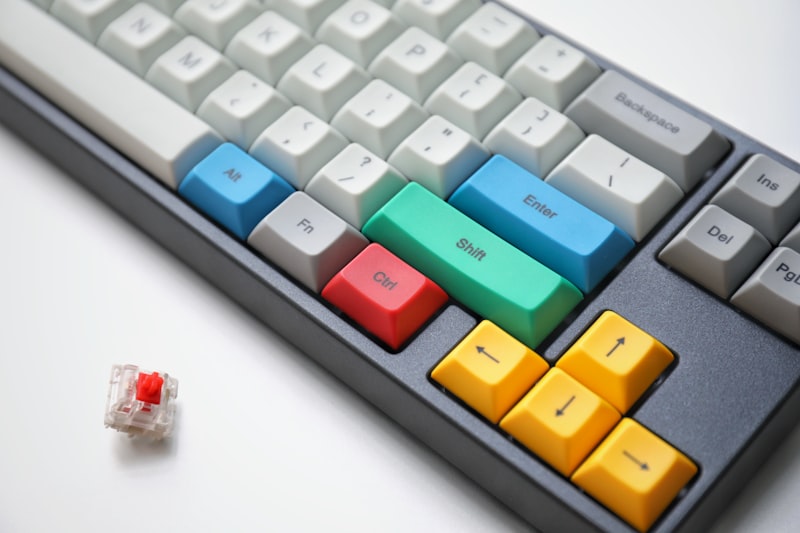
Best Budget Pick: Keychron K8 Pro
The Keychron K8 Pro hits a rare sweet spot. At around $90, it offers hot-swappable Gateron G Pro switches, a solid aluminum frame, and native QMK/VIA support. That means you can remap every key without downloading bloated software. The typing feel is smooth and consistent, and the white backlight is bright enough for late-night work sessions. We tested the tactile brown switch variant, which strikes a good balance between feedback and noise.
Pros
- Hot-swappable switches
- Aluminum body at a plastic price
- QMK/VIA programmable
- Clean, no-nonsense design
Cons
- Keycap legends wear faster than doubleshot
- No dedicated media keys
- Bluetooth pairing can take two tries
Best for Enthusiasts: Drop CTRL V2
If you want to dive into the deep end of custom keyboards, the Drop CTRL V2 is a polished starting point. It ships with a high-profile aluminum case, south-facing RGB, and your choice of pre-lubed Holy Panda X or Gateron switches. The stabilizers are factory-lubed and genuinely rattle-free — something many premium boards skimp on. During our typing tests, the Holy Panda X switches delivered a satisfying, rounded tactile bump without the sharp click of traditional blues.
The only trade-off is price. At roughly $250, the CTRL V2 sits in a zone where you could also start building a fully custom board from the ground up. For most buyers, that is overkill. But if you want premium quality without learning how to solder, this is the safest bet.
Best for Gaming: Wooting 60HE
The Wooting 60HE introduced analog input and rapid trigger to mainstream gaming keyboards, and it genuinely changes how certain competitive titles feel. The actuation point is adjustable per key in software, and the hall-effect switches are lightning fast without the premature activation issues some optical boards suffer from. We tested it in Counter-Strike and Valorant, and the difference in peeking and counter-strafing was immediately noticeable.
For non-gamers, the 60% layout takes adjustment, and the plastic case does not feel as premium as the price suggests. But for competitive players, the performance gains are hard to ignore.
Best for Writers: NuPhy Air75 V2
Low-profile mechanical keyboards often feel like a compromise — less travel, mushier switches, and cramped spacing. The NuPhy Air75 V2 breaks that pattern. Its Gateron low-profile 2.0 switches have enough travel to feel mechanical, and the thin chassis makes it genuinely portable. Writers on our team appreciated the quiet actuation and the fact that it fits easily into a laptop sleeve. The RGB is subtle, the battery lasts roughly four working days, and the macOS/Windows toggle switch is a small but welcome detail.
Most buyers should start with the Keychron K8 Pro. It offers enthusiast-grade features without the enthusiast-grade price. Gamers who want every millisecond advantage should look at the Wooting 60HE. Writers and mobile workers will find the NuPhy Air75 V2 surprisingly satisfying. Only consider the Drop CTRL V2 if you are already certain you want a premium, customizable platform.
How We Test
Each keyboard in this guide was used for at least 40 hours across a mix of writing, coding, and gaming tasks. We measured sound levels with a calibrated meter at 30 centimeters, tested wireless latency with a logic analyzer, and recorded subjective notes from three reviewers with different hand sizes and typing styles.